Signature Flavors Found in Authentic Jamaican Food

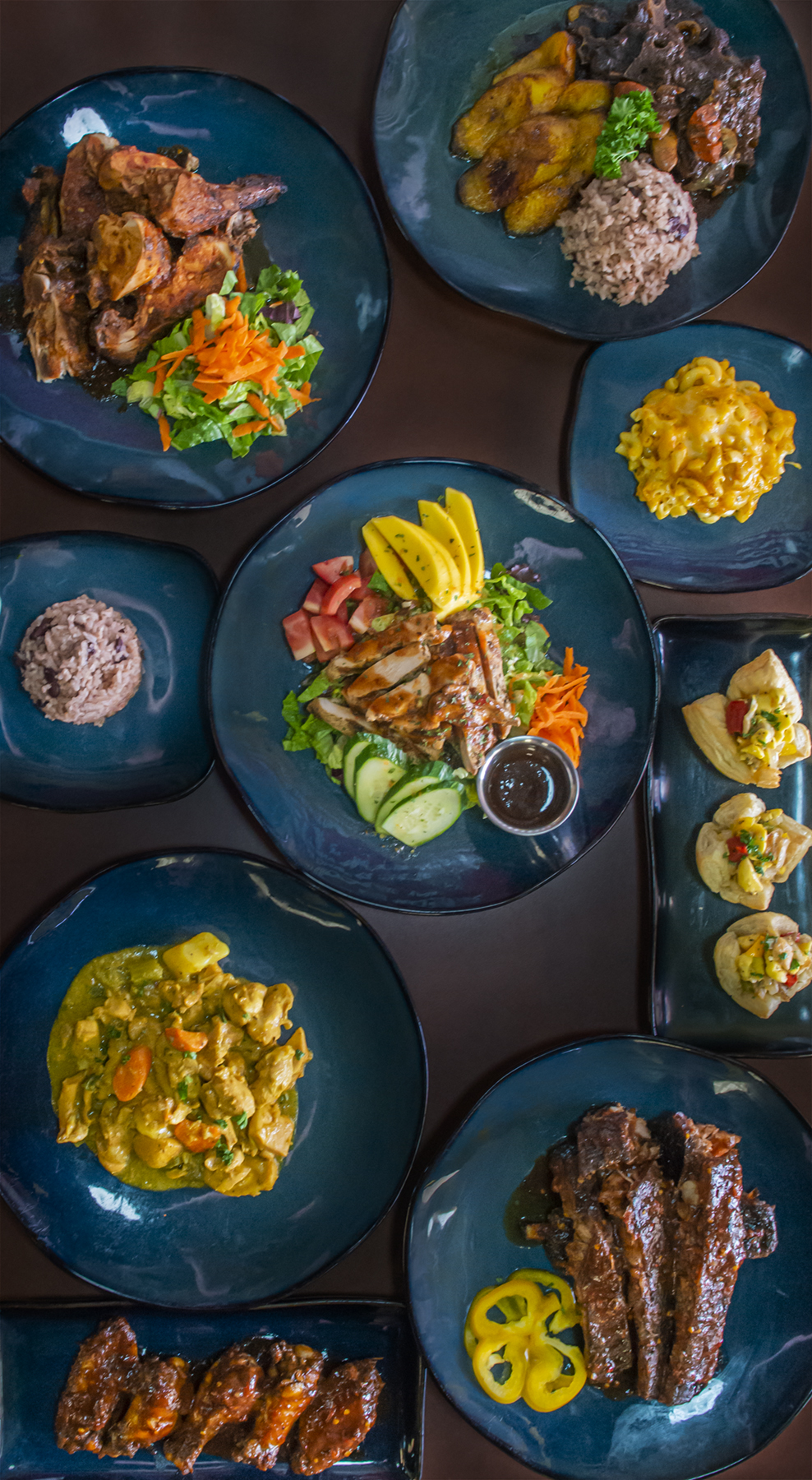
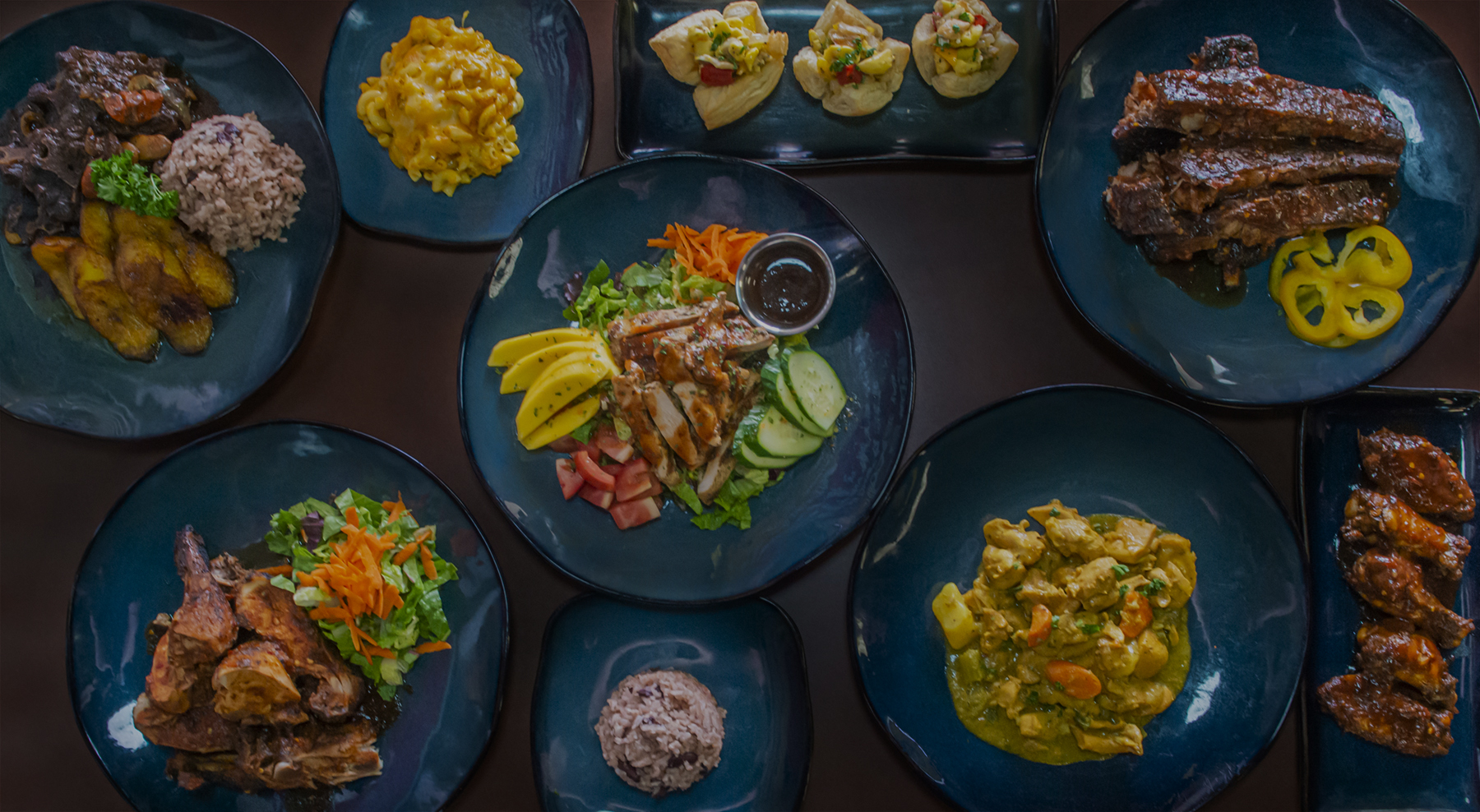
Jamaican food has a way of announcing itself before it reaches the table. You smell smoke first, then warm spice, then something sharp and green, often thyme, scallion, or Scotch bonnet. A few bites later, what seemed simple opens up into layers: heat that blooms instead of burns, sweetness that balances salt, acidity that cuts through richness, and a savory depth that lingers long after the plate is empty.
That complexity is what makes authentic Jamaican cooking so memorable. It is not built on one note, and it is certainly not defined by heat alone. The food draws its character from technique as much as ingredients: pimento wood smoking, long marination, careful browning, slow simmering, pickling, frying, and the patient building of flavor in pots that have seen years of use. The result is a cuisine with an unmistakable identity, one shaped by African, Indigenous, European, Indian, and Chinese influences, then refined into something entirely Jamaican.
If you want to understand the soul of Jamaican food, it helps to focus less on dish names and more on the recurring flavors that appear across the island’s cooking. These are the signatures that tie together jerk chicken from a roadside drum, curry goat from a family gathering, escovitch fish at the beach, and rice and peas on a Sunday table.
The deep warmth of allspice, known locally as pimento
If one ingredient deserves first mention, it is pimento. Outside Jamaica, it is usually called allspice, a name that hints at its layered aroma. It suggests clove, cinnamon, nutmeg, and pepper at once, yet none of those comparisons fully capture its true character. In Jamaican kitchens, pimento is not a background spice. It is structural.
Pimento berries go into jerk seasoning, stews, soups, and marinades. They may be used whole in simmering liquids or ground into spice blends. Pimento leaves also contribute flavor, especially when meat is smoked over pimento wood, one of the defining techniques behind traditional jerk. That wood does more than cook the meat. It perfumes it with a resinous, spicy smoke that no bottled sauce can truly imitate.
The warmth of pimento is one reason authentic Jamaican food tastes rounded rather than aggressive, even when the dish is fiery. It softens edges. In jerk, it works with thyme, scallion, ginger, and Scotch bonnet to create a marinade that tastes earthy, aromatic, and hot all at once. In brown stew chicken, a few pimento berries in the pot can make the sauce feel fuller and more fragrant without drawing attention to themselves.
A common mistake in home cooking is to over-reduce pimento to sweetness. It is not sweet in the dessert sense. It carries a dry, almost woody depth, especially when heated. Use too little and the food can taste flat. Use too much and it can dominate. Experienced cooks tend to know the point where it rounds out the dish rather than taking it over.
Scotch bonnet brings more than heat
People who are new to Jamaican food often expect the famous pepper to deliver pain first and flavor second. In practice, Scotch bonnet does much more than make food hot. It has a fruitiness that can read almost floral when used well, especially in fresh sauces and peppered condiments. That fruity top note is one of the reasons Jamaican heat tastes so different from the narrower burn of some other chile varieties.
In a proper jerk marinade, Scotch bonnet is essential, but it does not stand alone. It is crushed or blended with onion, scallion, thyme, pimento, garlic, ginger, salt, and often a touch of sweetness. Once cooked over charcoal or wood, the pepper’s sharpness mellows and folds into the meat. What remains is not just spice, but aroma and brightness.
The same pepper behaves differently in other dishes. In escovitch sauce, where it sits with vinegar, onions, carrots, and pimento, the heat is cleaner and more pointed. In soups, especially chicken foot soup or red peas soup, whole Scotch bonnets may be simmered gently so they perfume the broth without bursting. That technique matters. Once the pepper breaks, it can overwhelm everything. Left intact, it lends fragrance and controlled heat.
There is judgment involved here. Jamaican cooks often talk about using “a whole pepper” or “half a pepper,” but the real measure is experience. One Scotch bonnet can be mild, the next intense. The cook adjusts by smell, by season, and by who is coming to dinner.
Fresh herbs and aromatics create the green backbone
Thyme, scallion, onion, garlic, and ginger form the green backbone of many Jamaican dishes. Their presence is so constant that they can be easy to overlook, yet without them the cuisine would lose much of its lift and freshness.
Thyme is especially important. Jamaican thyme tends to be used generously, and not only as a background herb. It perfumes rice and peas, seasons meats, and gives soups their unmistakable savory scent. Fresh thyme has a lively, almost peppery edge that dried thyme rarely matches, especially in a cuisine where freshness carries so much weight.
Scallion does a different job from bulb onion. It adds a grassy, oniony brightness that feels essential in green seasoning and marinades. In jerk paste, scallion keeps the blend from tasting heavy. In steamed fish, it brings freshness that complements the soft, delicate flesh. Ginger, meanwhile, introduces heat of another kind, warm and sharp rather than fiery. It appears in both savory and sweet preparations, and its role is often underestimated.
These aromatics are often blended into a wet seasoning, rubbed into meat, or sweated down in oil before other ingredients are added. That early stage is where the flavor starts to organize itself. A pot of curry goat that begins with gently cooked onion, scallion, garlic, thyme, and ginger will taste very different from one where everything is rushed in at once. Jamaican food rewards patience at the beginning.
Smoke, char, and the taste of fire
One of the most memorable signatures in Jamaican food is not an ingredient at all, but the taste of smoke and char. Traditional jerk is the clearest example. In Jamaica, jerk is often cooked outdoors, over charcoal and pimento wood, with the meat resting above the heat rather than directly on exposed flames. The goal is not just browning. It is slow, smoky cooking that lets fat render, spice toast, and the exterior darken without drying out the interior.
That balance is difficult. Too cool, and the meat never develops its crust. Too hot, and the sugar in the marinade burns before the chicken or pork cooks through. The best jerk has contrast: blackened edges, juicy interior, and smoke woven through the spice rather than sitting on top of it.
Smoke also appears in smaller ways throughout Jamaican cooking. A well-fried piece of festival served beside jerk can pick up smoke from the grill. Roasted breadfruit has a faint earthiness from the fire. Even a cast-iron pot used over years can contribute a subtle depth to stews and braises.
This is one reason restaurant versions outside Jamaica can vary so much. If the kitchen relies on oven roasting and bottled jerk sauce, the result may be pleasantly spicy but miss the defining note of wood smoke. Authentic Jamaican food is often more restrained in sauce and more dependent on fire than people expect.
Browning, caramelization, and the savory edge of sweetness
Jamaican cooking is full of contrast, and one of the smartest contrasts is the interplay between sweetness and savory depth. That begins with browning, both as a technique and, in some kitchens, as an ingredient.
Brown stew chicken is a perfect example. The meat is often seasoned ahead of time, then browned in oil before it is simmered with onions, peppers, tomatoes, and stock or water. The searing step develops flavor in the meat and leaves behind bits in the pot that enrich the final gravy. Some cooks also use bottled browning, a dark caramelized sauce that adds color and a faint https://edwinbtyq219.focalledger.com/posts/a-food-lover-s-journey-through-jamaican-food-culture bittersweet note. Used carefully, it gives body and visual appeal. Used carelessly, it can leave the dish tasting burnt.
The same attention to caramelization shows up in fried plantain, which should have deeply browned edges and a soft center, and in coconut drops or gizzada, where sugar is cooked to a precise stage to create texture and flavor. Jamaican cuisine understands that sweetness is not always a separate category. It can support savory food, especially where spice and smoke are involved.
That is why a little sugar in jerk marinade makes sense. It does not make the meat taste sweet. It helps the surface darken, softens acidity, and rounds the bitterness of char. The trade-off is that sugary marinades demand close attention on the grill. There is a short distance between beautifully lacquered and scorched.
The importance of acidity and pickled sharpness
For all its richness, Jamaican food rarely lets the palate get tired. Acidity cuts through the fat and starch, resets the tongue, and keeps meals lively. You taste that most clearly in escovitch preparations, where vinegar-based dressing is poured over fried fish and topped with pickled vegetables.
Escovitch is a lesson in balance. The fish is hot, crisp, and savory. The topping is cool or warm, crunchy, acidic, and often threaded with Scotch bonnet. The vinegar is assertive, but not harsh when the proportions are right. Carrots, onion, and pimento soften the edges and add sweetness. A plate of escovitch fish with bammy or festival works because every bite refreshes the next.
Acidity appears elsewhere too. Fresh lime may be rubbed on fish or meat during cleaning and prep. Tamarind shows up in some drinks and sauces. Sorrel, brewed for the holidays, brings its own tartness. Even a simple slaw beside fried food can play the same role. Jamaican cooking knows that a rich dish benefits from something pointed alongside it.
Coconut gives softness, aroma, and quiet luxury
Coconut is one of the great softening flavors in Jamaican food. It appears in savory dishes, baked goods, sweets, and drinks, but in savory cooking its finest role may be in rice and peas. Proper rice and peas is not just rice with beans. It is rice cooked with coconut milk, thyme, scallion, garlic, and often a Scotch bonnet, usually alongside kidney beans or gungo peas depending on the season and household preference.
The coconut milk brings more than richness. It lends fragrance and a slightly sweet creaminess that carries the seasonings and gives the rice a gentle, cohesive flavor. When rice and peas is done well, no component shouts. The coconut, herbs, and legumes sit in balance, making the dish both comforting and complex.
Coconut also shapes rundown, a dish in which mackerel or another fish is simmered in coconut milk until the sauce cooks down and intensifies. The reduced coconut becomes savory, almost nutty, especially when joined by onion, tomato, thyme, and pepper. That is a flavor profile that surprises people who associate coconut only with desserts. In Jamaican food, it can be lush without being sweet.
Salted and preserved ingredients add depth that fresh ingredients alone cannot
Another signature of authentic Jamaican food is its intelligent use of preserved ingredients. Saltfish is the clearest example. When soaked, flaked, and cooked with ackee, onion, tomato, scallion, thyme, and Scotch bonnet, it brings savory intensity to a dish that might otherwise taste delicate to the point of blandness.
Ackee and saltfish succeeds because of contrast. Ackee, when properly cooked, has a soft, buttery texture and a mild flavor that invites seasoning. Saltfish supplies briny depth. Tomato adds slight acidity, onion and scallion contribute sweetness and bite, and pepper wakes everything up. The dish is subtle by Jamaican standards, but not plain.
Corned beef has a place too, especially in quicker everyday meals. It is not refined food, and it is not always celebrated in glossy travel writing, but it reflects the practical side of Jamaican home cooking. Used with onion, tomato, thyme, and pepper, it becomes hearty and satisfying. The broader point is that preserved proteins carry history, thrift, and adaptation, all of which matter in the evolution of the cuisine.
Curry in Jamaica developed its own accent
Jamaican curry deserves separate attention because it does not taste exactly like Indian curry powders elsewhere. The island’s version often leans heavily on turmeric, fenugreek, coriander, and cumin, but the resulting flavor is shaped by local cooking habits and ingredients. When curry goat is prepared well, the seasoning is toasted or “burned” slightly in oil at the start. That brief step changes everything. It takes the raw edge off the spice blend and deepens the sauce.
Curry goat should not taste muddy. The best versions are rich but brightened by thyme, scallion, garlic, ginger, and Scotch bonnet. The gravy clings to the meat, which should be tender without falling into mush. Potatoes may be included, though opinions vary by family and by cook. Some see them as essential for body and comfort, others as filler.
What matters is that Jamaican curry retains a distinct island profile. It is less creamy than many restaurant curries elsewhere and often more assertive in its herbal and peppery notes. Eat it with rice and peas or plain white rice, and you get another example of how Jamaican food balances power with structure.
Starch is never just filler
Outsiders sometimes treat the starches in Jamaican food as side notes, but they are central to the eating experience. Rice and peas, bammy, festival, roasted breadfruit, boiled green banana, yam, and dumplings each interact differently with the stronger flavors around them.
Festival, lightly sweet and crisp outside, is ideal with jerk because it softens the spice and gives the meal contrast. Bammy, made from cassava, soaks up escovitch juices beautifully and adds a slightly sour, earthy note of its own. Breadfruit, roasted until the exterior chars and the inside turns soft, can sit beside ackee and saltfish or fried fish and make the entire plate feel more grounded.
These starches are not blank canvases. They contribute texture, aroma, and, in some cases, a hint of sweetness or fermentation. They also make Jamaican meals feel complete. Without them, the food can seem overly intense. With them, the flavors settle into proportion.
A few flavor pairings that define the cuisine
Some combinations show up so often in Jamaican food that they function almost like a language. When you recognize them, the cuisine starts to make deeper sense.
- Pimento and thyme create warmth and herbal depth in stews, jerk, and soups.
- Scotch bonnet and vinegar bring heat and acidity to escovitch and pepper sauces.
- Coconut milk and legumes anchor rice and peas with richness and aroma.
- Smoke and sweetness shape good jerk, especially when the meat picks up char at the edges.
- Salted fish and mild ackee balance each other through contrast in flavor and texture.
These pairings matter because Jamaican cooking rarely relies on a single dominant note. More often, it builds tension between opposites: hot and sweet, smoky and fresh, rich and acidic, soft and crisp.
Regional habits, household variation, and why there is no single formula
It is tempting to look for one definitive version of each Jamaican dish, but that is not how real cooking works. Jamaican food has strong traditions, yet it also leaves room for household practice, local ingredient availability, and personal judgment. One family’s jerk marinade may include more ginger. Another may lean harder on pimento. Some cooks prefer a wetter green seasoning, others a thicker paste. Rice and peas may be made with canned coconut milk in one kitchen and fresh grated coconut in another.
The same flexibility applies to heat. In tourist-heavy areas, dishes may be toned down for visitors. In homes, the cook may leave a whole Scotch bonnet in the pot for aroma or chop it finely for serious fire. Neither choice is inherently more authentic if the flavor remains balanced and true to the dish.
That variation is worth respecting. Authentic Jamaican food is not a museum piece. It is living cooking, and living cooking changes from parish to parish, neighborhood to neighborhood, and cook to cook.
What to pay attention to when tasting Jamaican food
If you want to train your palate, slow down and look for the sequence of flavors rather than the first impact alone. A useful way to approach a plate is to notice a few things:
- What arrives first, smoke, herb, pepper, sweetness, or salt
- How the heat behaves, immediate, delayed, sharp, or rounded
- Whether acidity is present to lift the richer elements
- How the starch on the plate changes the intensity of the main item
- Which flavor lingers after the bite is finished
That last point is especially revealing. Good Jamaican food leaves an echo. Sometimes it is pimento. Sometimes char. Sometimes thyme and scallion. On a strong plate of curry goat, it may be the toasted spice and pepper warmth that stay with you. On ackee and saltfish, it may be the savory salt and soft richness.
Why these signatures endure
The lasting appeal of Jamaican food lies in its balance of boldness and control. The cuisine is expressive, but rarely careless. It knows when to let smoke lead and when to let herbs freshen the plate. It embraces heat, but usually gives that heat structure. It values comfort, yet protects contrast through acidity, crunch, and aromatic lift.
That is why authentic Jamaican cooking can satisfy both immediate appetite and closer attention. You can love it instinctively on the first bite, then spend years noticing new details in the same familiar dishes. A bowl of soup reveals the perfume of thyme and pimento. A piece of jerk teaches you the difference between chile heat and wood smoke. A spoonful of rice and peas shows how coconut can bind an entire plate together without ever becoming heavy.
For anyone serious about understanding Jamaican food, the best place to start is not with a recipe collection, but with these recurring signatures. Warm pimento. Fruity Scotch bonnet. Green thyme and scallion. Smoke from charcoal and wood. Caramelized browning. Vinegar’s sharp cut. Coconut’s soft richness. Preserved salt. Once you know how those flavors move through the cuisine, the dishes begin to speak a common language, and it is one of the most distinctive, rewarding food traditions in the world.
Reggae Pot Jamaican Grill
7562 S University Blvd C, Centennial, CO 80122
(303) 997-5623
FAQ About jamaican food
What is the best Jamaican food to try in Centennial?
The best choice depends on your preferences. Reggae Pot Jamaican Grill offers jerk chicken, curry goat, oxtail, and escovitch snapper, along with sides such as rice and peas and fried plantains. Ask the restaurant about current availability and spice levels before ordering.
Is Jamaican food very spicy in Centennial?
Heat varies by dish and preparation. Jerk dishes can be hot, while some stews and sides are milder. Tell the restaurant your preferred heat level and ask which options suit you.
What is typically on a Jamaican menu?
Common choices include jerk chicken, curries, oxtail, fish, patties, rice and peas, and plantains. Reggae Pot also lists ackee and saltfish and vegetable dishes. Menus and availability can change, so confirm your choices when ordering.