A Simple Guide to Enjoying Authentic Jamaican Food
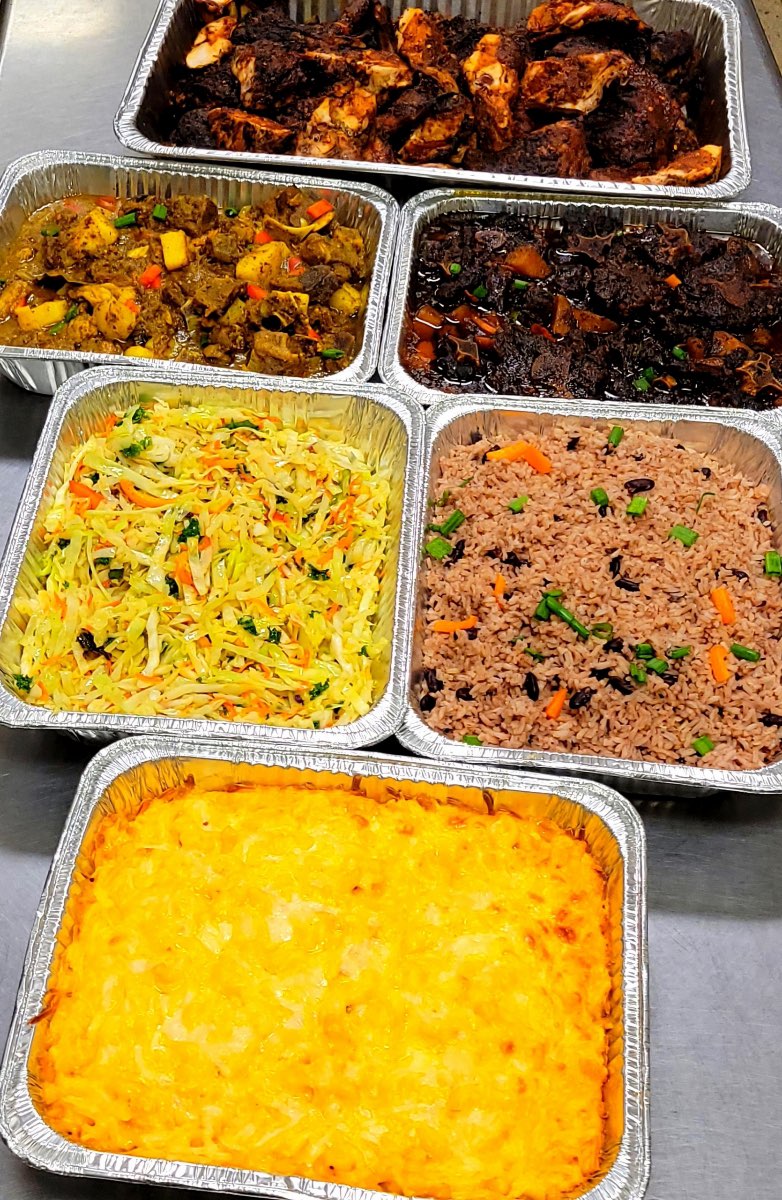
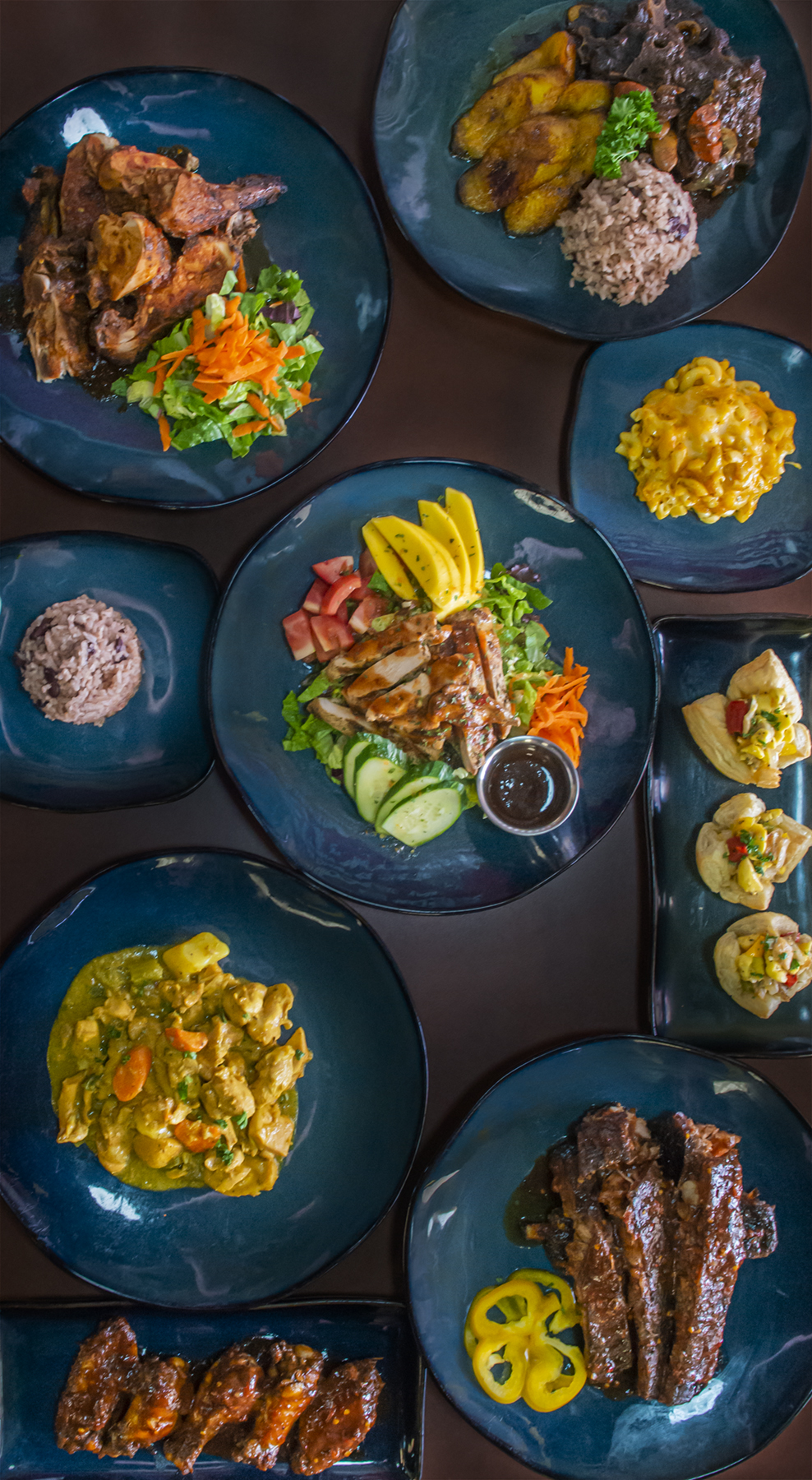
Jamaican food has a way of introducing itself before it ever reaches the table. You smell pimento smoke drifting from a grill, catch the warm sweetness of fried plantain, or hear the crackle of oil around a patty case. By the time the plate lands in front of you, the meal already feels alive. That sensory richness is part of what makes authentic Jamaican cooking so memorable. It is bold, layered, often fiery, and deeply tied to history, geography, and family tradition.
For people new to Jamaican food, the first experience can be slightly overwhelming in the best possible way. Menus often feature dishes with names that are familiar but not fully understood, such as jerk chicken, ackee and saltfish, or oxtail with butter beans. Some dishes are intensely spiced. Others are surprisingly gentle and comforting. Some are beach food. Some are Sunday dinner food. Some are breakfast staples that carry generations of meaning.
The easiest way to enjoy authentic Jamaican food is to approach it with curiosity rather than a checklist. Not every dish will suit every palate the first time. Not every restaurant serves the same version of a classic. And not every famous dish tells the whole story of Jamaican cooking. The food is more varied than many visitors expect, and that is exactly where the pleasure begins.
What makes Jamaican food feel authentic
Authenticity in food is never as simple as one recipe or one strict rule. Jamaican cooking changes from parish to parish, family to family, and cook to cook. Still, certain qualities show up again and again.
Seasoning comes first. Jamaican cooks do not usually rely on one dominant flavor. They build flavor in layers with scallion, thyme, onion, garlic, ginger, Scotch bonnet pepper, allspice, and sometimes browning or curry blends. Even a straightforward stew can carry sweetness, heat, smoke, herbaceous notes, and savoriness at once.
Texture matters just as much. A proper piece of fried fish should be crisp outside and moist inside. Festival should have a light chew and a mild sweetness. Rice and peas should be separate and fluffy, not wet or heavy. Oxtail should yield to a fork, but not collapse into mush. Good Jamaican food often feels generous and robust, but it is rarely careless.
Then there is the balance between fire and comfort. Outsiders often assume Jamaican cuisine is always very hot. In reality, heat is used with more judgment than that. Scotch bonnet peppers bring both spice and fruitiness, and many cooks use them to perfume a pot without making it painfully hot. A dish can have strong flavor without searing heat, and a good cook knows the difference.
Authenticity also lives in context. Jerk eaten from a roadside pan with smoke in the air tastes different from a polished restaurant version. Breakfast at a small local spot can teach you more about Jamaican food than an expensive dinner aimed at tourists. The ingredients, preparation, and setting all matter.
Start with the dishes that explain the cuisine
If someone wants a practical entry point into Jamaican food, I usually steer them toward a small group of dishes that show the cuisine’s range. Not because these are the only dishes worth eating, but because each one reveals a different side of the island’s cooking.
Jerk chicken is the obvious place to begin, and for good reason. Authentic jerk is not just grilled chicken with spice rubbed on top. It should carry deep seasoning, smoke, and a sharp aromatic quality from pimento and thyme. The heat may be assertive, but the flavor should stay clear. When jerk is done well, you taste spice, smoke, char, and juiciness in sequence.
Curry goat shows the Indian influence in Jamaican food. It is earthy, fragrant, and slow-cooked until the meat turns tender. A good curry goat has depth rather than brute strength. The sauce should cling to the meat and pair naturally with rice. If you are used to Indian curries, the Jamaican version will feel related but distinct, especially in the use of local curry powder and allspice.
Ackee and saltfish, Jamaica’s national dish, often surprises first-time eaters. Ackee looks a bit like scrambled egg at a glance, but its texture is softer and creamier. Paired with salted cod, onions, peppers, and spices, it becomes savory, rich, and satisfying without being heavy. It is a dish that rewards attention. Many visitors try it quickly for the novelty, but the people who really enjoy it tend to slow down and notice the balance of softness, saltiness, and gentle spice.
Oxtail is the dish that wins over skeptics. Slow-braised until glossy and tender, often with butter beans, it is one of the most luxurious comfort foods in the Jamaican repertoire. The gravy should be dark, rich, and slightly sticky, the kind that soaks into rice and makes the rest of the plate better.
Escovitch fish offers a brighter, sharper experience. The fish is fried, then topped with a vinegary mixture of onions, carrots, and peppers. It cuts through richness beautifully and shows another side of Jamaican cooking, one that is lively and acid-driven rather than smoky or stewed.
The sides are not background players
One mistake people make with Jamaican food is treating the side dishes as filler. In a strong kitchen, the sides carry as much identity as the main protein.
Rice and peas is the clearest example. Despite the name, the peas are usually kidney beans or gungo peas, simmered with rice, coconut milk, thyme, scallion, and seasonings. A well-made pot smells fragrant before you even taste it. The grains should stay distinct, and the coconut should support the dish rather than dominate it. When rice and peas are flat or waterlogged, the whole meal suffers.
Plantain is another side that deserves respect. When ripe plantain is fried properly, the edges caramelize and the center stays soft and almost custardy. It brings sweetness that rounds out spicy or savory dishes. That contrast is one of the quiet strengths of a Jamaican plate.
Festival, bammy, and hard dough bread each serve different purposes. Festival is slightly sweet and excellent with jerk or fried fish. Bammy, a cassava flatbread with indigenous roots, can be soaked lightly and fried until crisp at the edges. Hard dough bread is simple but useful, especially at breakfast or with patties. None of these are afterthoughts. They absorb sauce, temper spice, and change the rhythm of a meal.
Even the sauces and condiments matter. A splash of pepper sauce can sharpen a bite, but if the main dish is already balanced, too much can drown out the cooking. I have seen visitors reach immediately for extra heat before tasting anything. It is better to try the food first. Jamaican cooks usually know exactly how much force they want a dish to carry.
Jerk deserves a closer look
Because jerk is the best-known Jamaican food internationally, it also tends to be the most misunderstood. Many restaurants outside Jamaica label anything spicy and grilled as jerk, but authentic jerk has a more specific character.
Traditionally, jerk involves marinating meat with a mixture that often includes Scotch bonnet pepper, scallion, thyme, allspice, garlic, ginger, and salt, then cooking it slowly over pimento wood or charcoal. The smoke is not incidental. It is part of the flavor structure. The best jerk has heat that arrives in waves, not a blunt wall of spice.
Pork is the classic jerk meat, though chicken is more widely available. Jerk pork often has deeper richness and a better relationship with smoke, while jerk chicken is more accessible for first-timers. If you get the chance to try both from a respected cook, do it. The comparison teaches you a lot about how the seasoning behaves with different fat levels and textures.
A roadside jerk pan in Jamaica often produces better results than a formal dining room. https://tysonxhvj761.dovetailscope.com/posts/the-ultimate-guide-to-traditional-jamaican-food That is not nostalgia talking. High turnover matters, smoke matters, and specialization matters. A small operation focused on one or two dishes often gets the details right.
If you are standing in front of a jerk stall and wondering whether it is likely to be good, look for a few practical signs:
- Smoke you can actually smell, not just grilled meat
- Meat being chopped to order rather than sitting in trays too long
- Visible use of seasoning, herbs, and char
- Customers returning steadily, especially locals
- Sides that look fresh, not tired or dried out
None of these signs guarantee excellence, but together they usually point you in the right direction.
Breakfast tells you a lot
A country’s breakfast often reveals more about its food culture than its dinner menus do, and Jamaica is no exception. Breakfast is where many traditional flavors appear in a more intimate, habitual form.
Ackee and saltfish is the headline dish, but it shares the table with fried dumplings, roasted breadfruit, callaloo, mackerel, boiled green bananas, and porridge. Cornmeal porridge, peanut porridge, and plantain porridge each have their own following. They are filling, practical, and deeply tied to home kitchens.
Breadfruit is worth seeking out when it is in season. Roasted breadfruit has a starchy, nutty character that works beautifully with saltfish or callaloo. It is one of those foods that seems plain until you have it done properly, then you understand why people speak about it with affection.
Callaloo often gets compared loosely to spinach, but that comparison only goes so far. Cooked with onion, garlic, thyme, tomato, and sometimes Scotch bonnet, it develops a savory softness that fits easily into breakfast or dinner. In many Jamaican homes, the dish is less about showiness and more about everyday nourishment, which is part of its appeal.
If your idea of exploring Jamaican food is limited to jerk after sunset, you are missing half the story.
Patties, soups, and the everyday foods people actually crave
Travelers often chase celebratory dishes and overlook the foods people eat between major meals. Jamaican patties, soups, and small takeaway dishes are not lesser versions of the cuisine. They are central to it.
A good patty should have a flaky crust with enough structure to hold the filling without turning brittle. Beef is classic, but chicken, vegetable, and saltfish fillings are common. The seasoning inside should be distinct and savory, sometimes with a little heat, never bland. A cocoa bread sandwich with a patty tucked inside might sound simple, but it is one of the smartest comfort combinations around.
Jamaican soups are also more serious than some menus suggest. Mannish water, chicken foot soup, red peas soup, and pumpkin soup all speak to a culture that knows how to build body and flavor from humble ingredients. Saturday soup is a real ritual in many places. It is not unusual for a rich, slow-cooked soup to become the centerpiece of the day.
Then there are small-box lunches, stew peas, brown stew chicken, liver, fried chicken, and peppered shrimp, depending on where you are. These dishes may not carry the international fame of jerk or ackee, but they often show a cook’s instincts more clearly. The seasoning has nowhere to hide.
How to order if you are new to Jamaican food
For first-time diners, the smartest approach is usually to build one plate around contrast. Choose one strong main, one starch, one cooling or sweet element, and then decide how much heat you want. That simple strategy prevents the common problem of ordering a plate full of heavy dishes that blur together.
Here is a reliable way to think about it:
- If you want smoke and heat, choose jerk chicken with festival or plantain
- If you want rich comfort, choose oxtail or curry goat with rice and peas
- If you want something brighter, choose escovitch fish with bammy
- If you are eating breakfast, try ackee and saltfish with fried dumpling
- If you are cautious about spice, ask whether the heat is cooked in or served on the side
That last detail matters. Some heat is built into the dish and cannot be separated. Other times the spice level comes mainly from sauce added at the end. A quick question to the server can save you from ordering badly for your own tolerance.
Heat, sweetness, and why balance matters
One of the pleasures of Jamaican food is the way it manages contrast. Heat is often paired with sweetness, acid, starch, or fat so that the meal feels complete rather than punishing. Fried plantain next to spicy jerk is an easy example. So is the role of rice and peas with rich gravy dishes. Even a cold drink, whether sorrel, carrot juice, or a citrus soda, often plays a balancing role.
That balance is one reason authentic Jamaican food tends to satisfy rather than merely impress. The dishes are flavorful, but they are also built for appetite. This is food meant to feed people properly. It should leave you content, not exhausted.
There is also a lesson here for people who cook Jamaican food at home. Do not chase maximum spice at the expense of everything else. A Scotch bonnet is powerful, but so are thyme, scallion, pimento, and patient cooking. When the seasoning is rounded, the dish tastes more Jamaican. When the only message is raw heat, it usually tastes less so.
Regional and personal differences are part of the experience
You may eat jerk in one parish and find it smokier than the version served elsewhere. One cook’s curry goat may be darker and heavier with spice, another’s lighter and more aromatic. One family serves ackee quite soft, another keeps it firmer. These differences are not flaws in the cuisine. They are the cuisine.
That flexibility can confuse people looking for a single definitive version of each dish. In practice, Jamaican food is shaped by migration, economics, religion, family history, and local ingredient access. Urban restaurants may plate dishes differently from country cooks. Diaspora communities in London, Toronto, New York, and Miami often preserve traditions while adapting to available produce and customer expectations. Sometimes those adaptations are minor. Sometimes they are substantial.
The point is not to police every variation. The point is to learn what good execution tastes like. Is the dish seasoned well? Is the texture right? Does the cooking show confidence? Those questions matter more than rigid purity tests.
Where people often go wrong
The most common mistake with Jamaican food is assuming the loudest dish represents the whole cuisine. Jerk gets attention because it is dramatic, but it is only one chapter. If you stop there, you miss the stews, breakfasts, soups, baked goods, seafood, and ground provisions that make the food culture complete.
Another mistake is underestimating portion size. Jamaican meals can be generous, especially in casual spots. Ordering too much too quickly can leave you too full to explore properly. It is often better to share, especially if you want to try a patty, a soup, and a full plate meal in the same day.
People also tend to over-focus on heat. They ask, "Is it spicy?" Before they ask whether it is good. Spice matters, but authenticity is not a contest in endurance. A beautifully seasoned brown stew chicken with moderate heat can tell you more about Jamaican cooking than an aggressively hot dish with little depth.
Finally, do not ignore drinks and desserts. Rum cake, gizzada, toto, grater cake, and sweet potato pudding all deserve more attention than they usually get. A proper Jamaican meal has room for sweetness too, often with coconut, spice, or dense baked texture.
If you are eating Jamaican food outside Jamaica
Authentic Jamaican food can absolutely be found abroad, but you have to pay attention to the signals. Menus that try to cover every Caribbean island equally often dilute distinct traditions. Places with a tighter focus tend to cook with more confidence. Ask what is made in-house. Notice what locals order. If a restaurant specializes in patties, soup, or jerk on certain days, that is often a good sign. Specialization usually beats overextension.
Diaspora cooking also comes with its own strengths. Some of the best Jamaican food I have had outside the island came from small family-run kitchens where recipes were carried over with almost stubborn care. The cooks knew exactly how rice should feel, exactly how much thyme belonged in the pot, exactly when to pull the fish from the oil. Those details survive migration when people care enough to protect them.
At the same time, ingredients differ. A Scotch bonnet may be milder or hotter depending on supply. Breadfruit may be seasonal or imported. Fish varieties shift with geography. Being realistic about those constraints helps you appreciate the meal for what it is rather than demanding a fantasy of total replication.
The best way to enjoy it
The best way to enjoy Jamaican food is to eat it with attention. Notice the smoke in the jerk, the sweetness in the plantain, the fragrance in the rice, the tenderness in the oxtail, the salt and softness in ackee and saltfish. Ask questions when something is unfamiliar. Try breakfast, not just dinner. Return to the dishes that seemed simple at first, because they often reveal the most on a second visit.
Authentic Jamaican food is not only about intensity. It is about memory, craft, and balance. It can be festive and loud, but it can also be homely, soothing, and precise. The more you eat it, the more you realize that its power comes from care as much as spice. That is what stays with you long after the plate is gone.
Reggae Pot Jamaican Grill
7562 S University Blvd C, Centennial, CO 80122
(303) 997-5623
FAQ About jamaican food
What is the best Jamaican food to try in Centennial?
The best choice depends on your preferences. Reggae Pot Jamaican Grill offers jerk chicken, curry goat, oxtail, and escovitch snapper, along with sides such as rice and peas and fried plantains. Ask the restaurant about current availability and spice levels before ordering.
Is Jamaican food very spicy in Centennial?
Heat varies by dish and preparation. Jerk dishes can be hot, while some stews and sides are milder. Tell the restaurant your preferred heat level and ask which options suit you.
What is typically on a Jamaican menu?
Common choices include jerk chicken, curries, oxtail, fish, patties, rice and peas, and plantains. Reggae Pot also lists ackee and saltfish and vegetable dishes. Menus and availability can change, so confirm your choices when ordering.